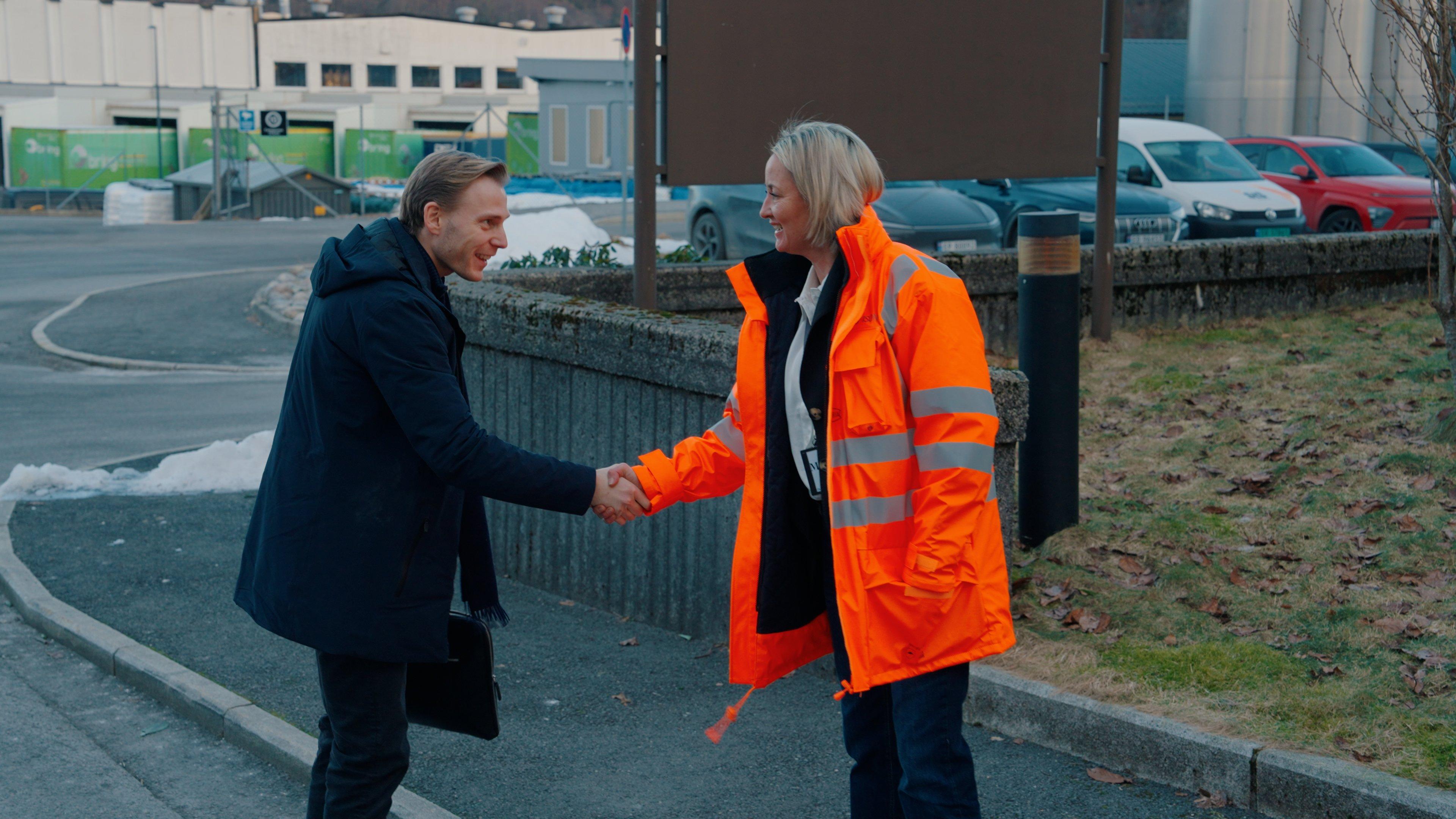
Representatives from the Conservative Party leadership visiting StS-ISONOR: – Important dialogue about the future of industry
Sporty visit
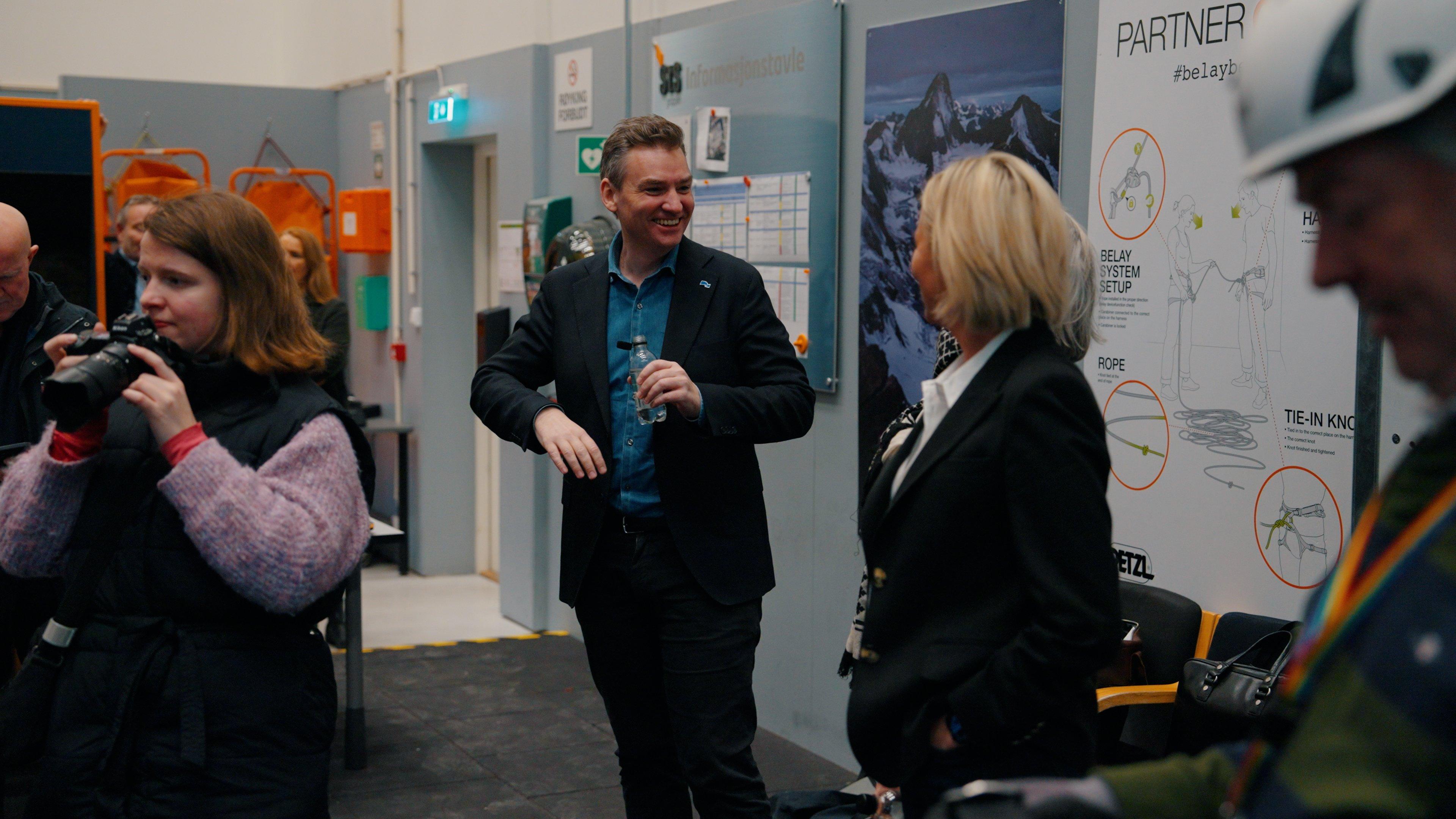
On 4 February 2026, StS ISONOR welcomed a visit from the Conservative Party leadership, represented by Henrik Asheim and Ola Svenneby. The purpose of the meeting was to gain a clear understanding of how the past four years have been for the industrial sector, and which framework conditions hinder or promote the further development of one of Norway’s most important industries.
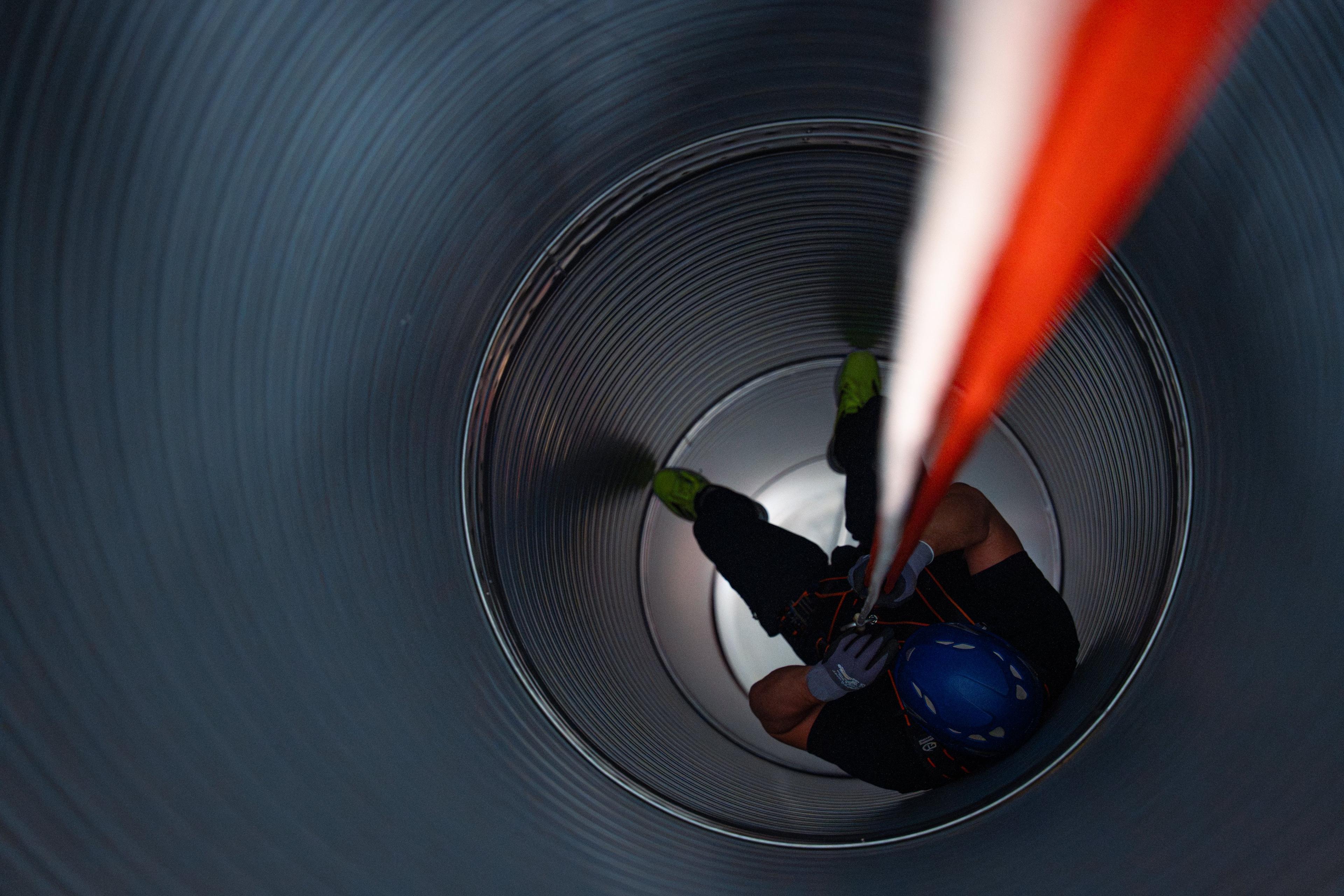
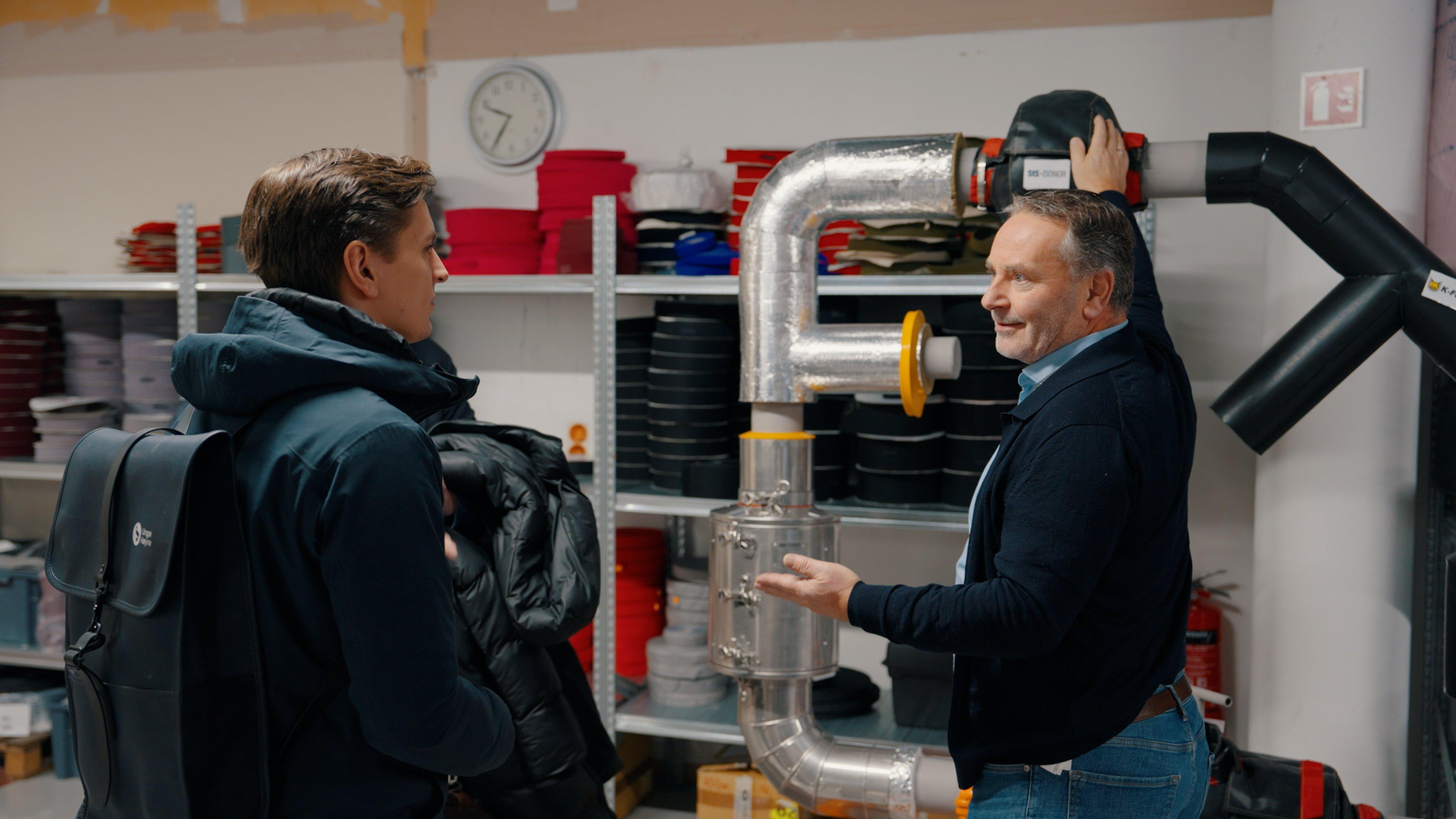
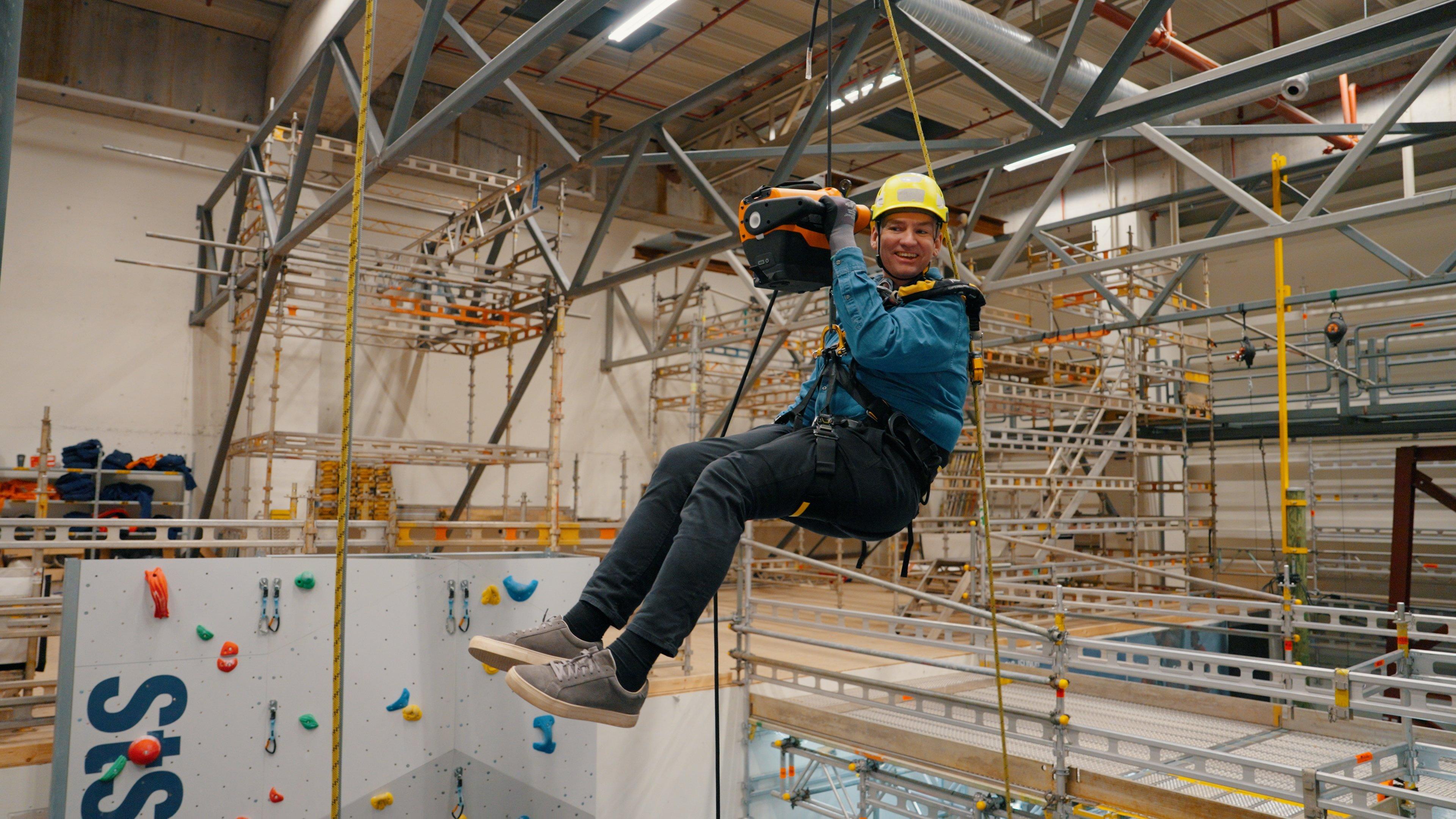
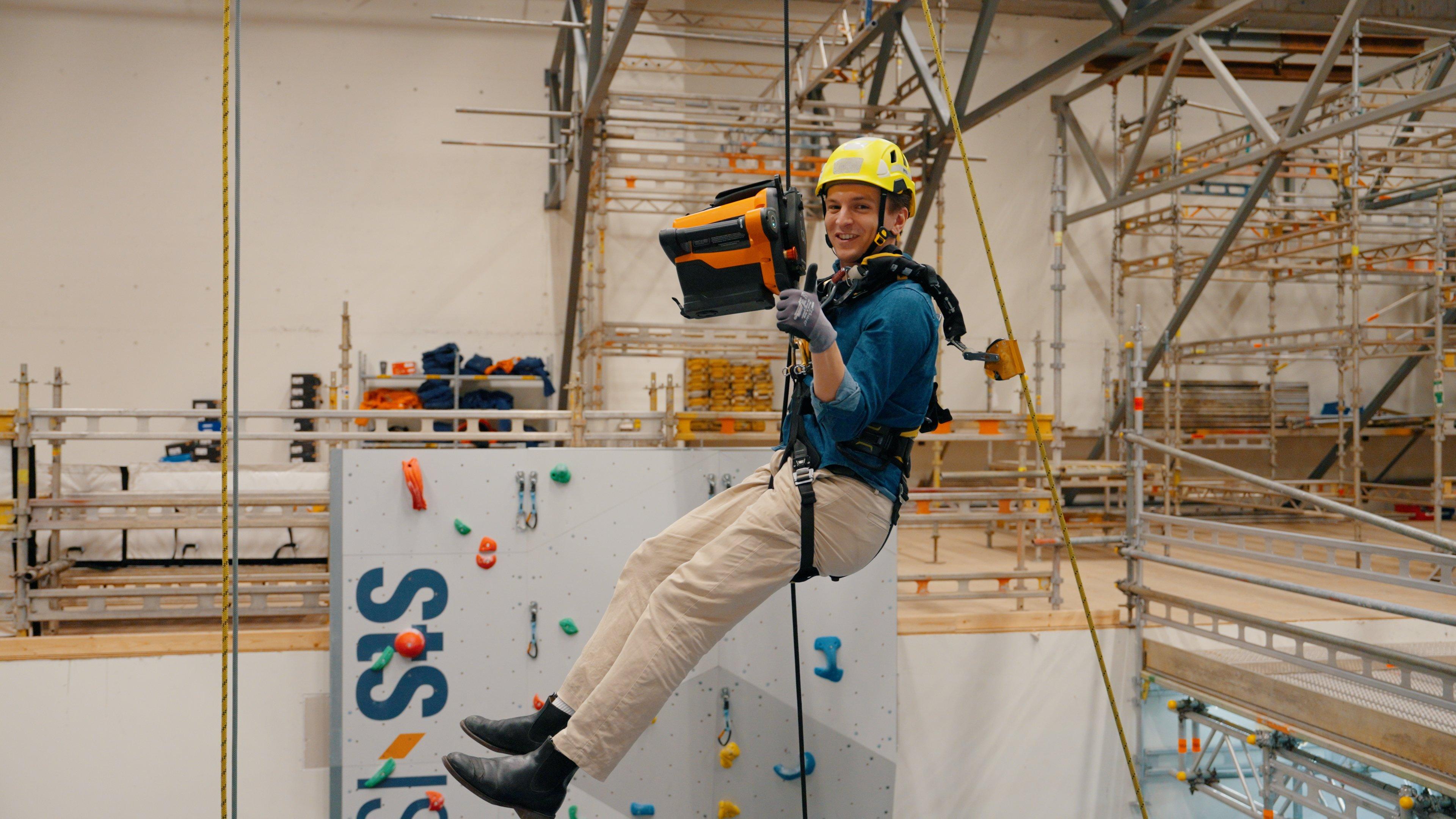
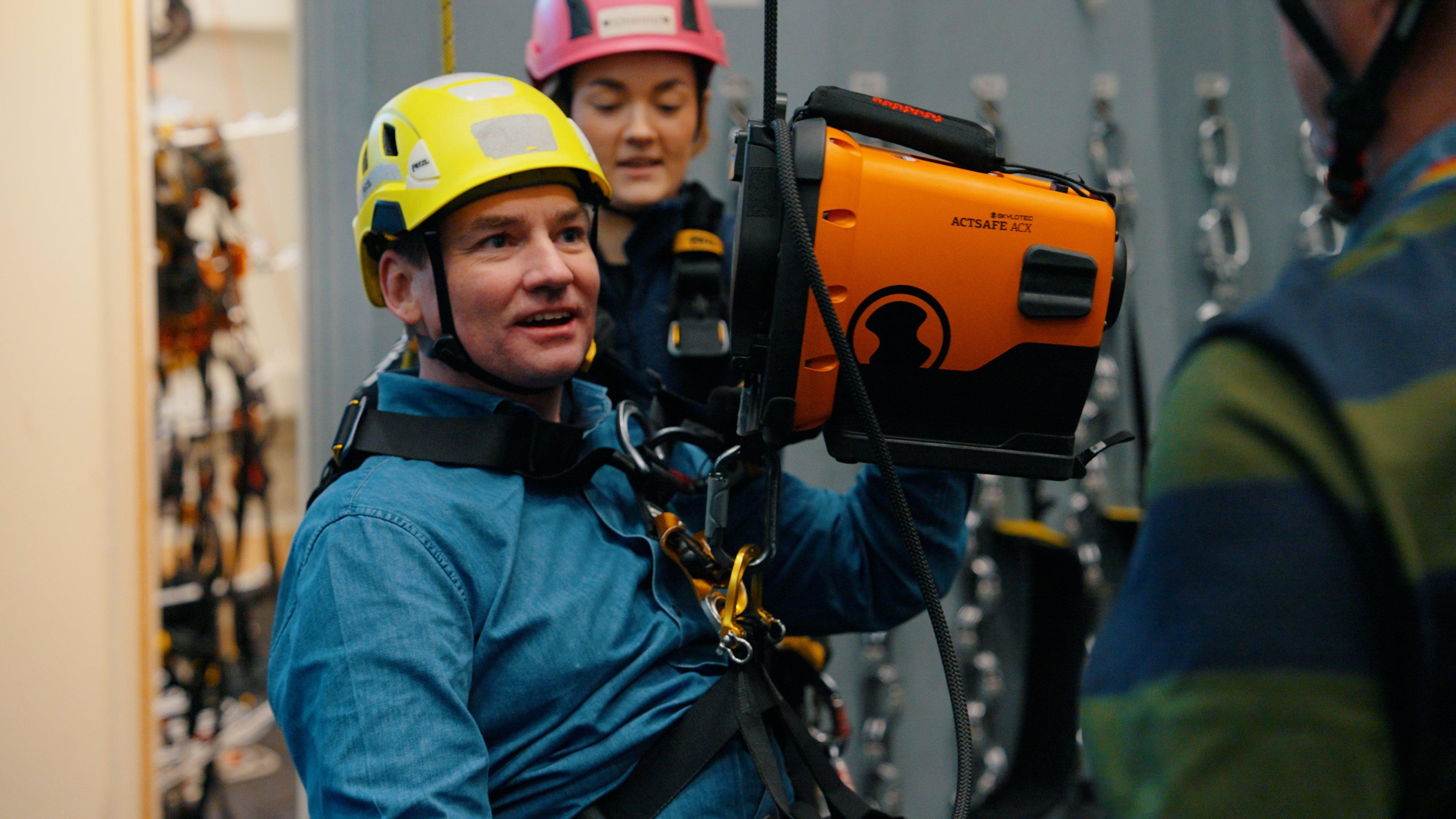
The delegation was first given a tour of our production areas – Lambda, the warehouse and the habitat department – before the visit concluded with a practical demonstration of access techniques at the training centre. VG was also present to document the visit. The entire delegation participated actively and with enthusiasm, including testing the rope ascender. Along the way, Technical Director Lasse Øvreås explained how local production can be crucial in a time marked by global uncertainty.
Clear messages about infrastructure, predictability, and expertise
In the meeting with CEO Ingrid Strand Solheim, owner representative Silje Strand, Technical Director Lasse Øvreås and Marketing Manager Linda Berentsen, several key topics were highlighted.
One of the main points was the importance of Hordfast, which was highlighted as one of Norway's most economically beneficial transport projects. A ferry-free connection between Bergen and Stavanger would more than halve travel time and help to connect Western Norway more closely as a business region. Together with Rogfast, this would strengthen the labor market, logistics flow, and access to expertise – and ensure value creation in Bergen, Sunnhordland, and Haugalandet.
Concerns were also raised about changes that weaken predictability for businesses, including increased employer’s national insurance contributions for knowledge intensive positions, changes to owner taxation that reduce willingness to invest, stricter hiring in regulations that limit flexibility in project based industries, and long processing times for work permits for employees from outside the EEA.
Less bureaucracy – more value creation
It was pointed out that increased digitalisation must be accompanied by real simplification, including less duplicate reporting and a public sector that learns from successful digitalisation projects, such as the improvements made to Altinn.
Recruitment and expertise – a common challenge
Industry is facing a historically challenging situation with a shortage of skilled workers in insulation, industrial painting and scaffolding. An ageing workforce makes the need for knowledge transfer even more pressing, while there are few national education programs that meet the industry’s needs.
The company highlighted positive results from cooperation with NAV and Vestland County. Through AMO training programs, 84 per cent of participants have entered employment three months after completing their training – a clear indication that targeted measures work.
Several development initiatives were discussed during the visit, including the establishment of introductory courses in the ISO trades, support schemes for in house training leading to a trade certificate, measures to ensure systematic transfer of expertise from senior to younger employees, and continued strengthening of industry programs and competence reform.
The role of industry in the green transition
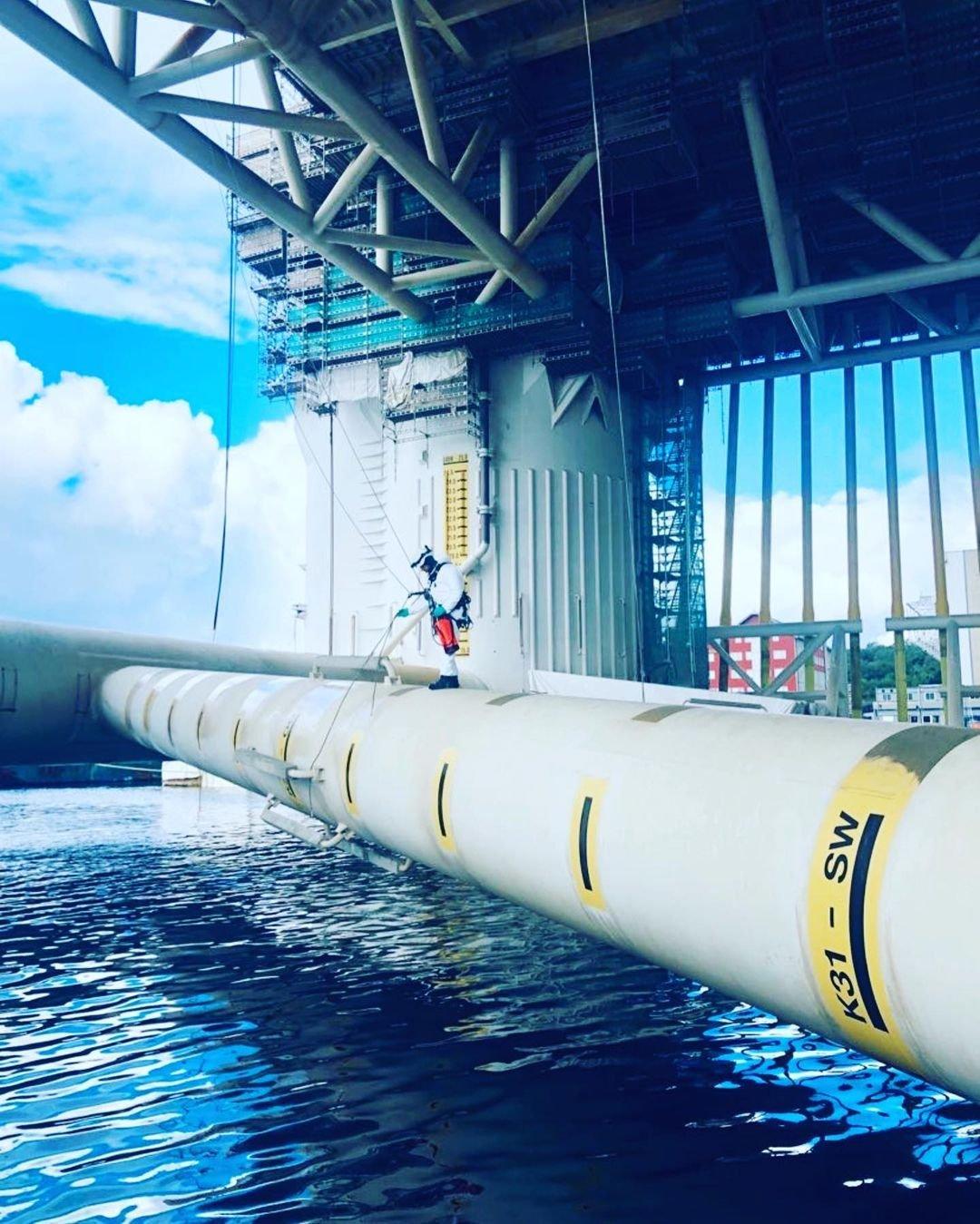
In conclusion, the role of industry in the green transition was clearly emphasized. StS-ISONOR pointed out that Norway has a large potential in both traditional and renewable industry, but this requires access to expertise, investments in technology, and predictable framework conditions. Many of the tasks that industry handles today – in maintenance, modification, and safe operation – cannot be automated away.
“We greatly appreciate the dialogue and the interest shown in our challenges and opportunities. Industry is vital to Norway’s future value creation, and we are ready to contribute – but we need politicians who facilitate growth, flexibility and recruitment,” says CEO Ingrid Strand Solheim.